
117 Centrepointe Drive | Nepean | ON | Tel: 613-225-1127 Improving the lives of those we touch.
Acupuncture and Neck and Shoulder Stiffness
By Lori MacKay, RMT
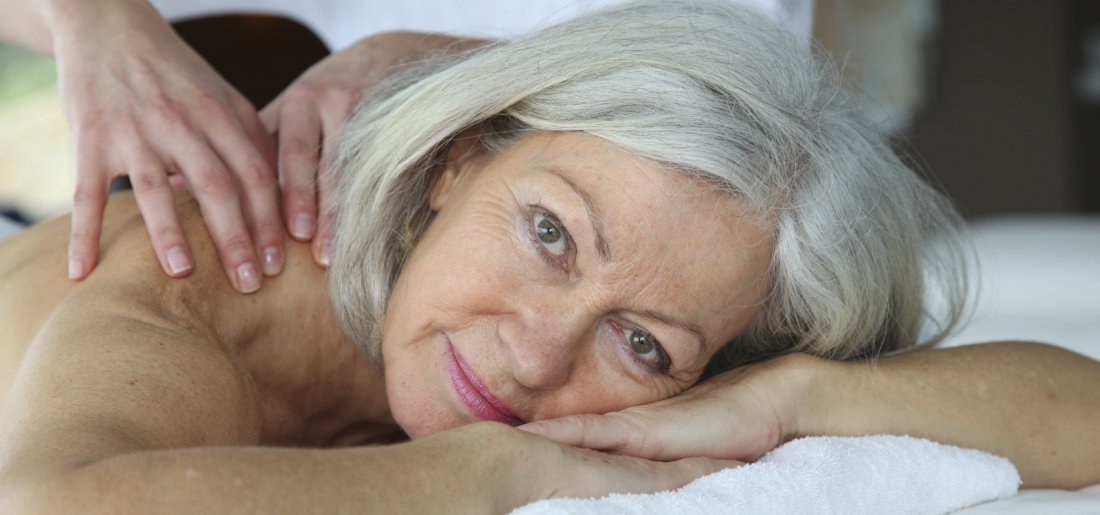
Acupuncture can be a very effective solution when treating most neck and shoulder problems. Neck and shoulder muscle tension and stiffness are very common concerns, especially of people who work in an office. Sitting in front of a computer and typing for extensive periods of time causes a lack of circulation in the tissue and fatigue of the muscles involved. Neck stiffness can be also aggravated by other common reasons, many of which can be effectively treated with acupuncture.
At the top of your neck, just below the hairline, there is an important acupuncture point called fuchi (GB20) which has been known to be closely connected to the eye. If you watch a computer screen or television for long periods of time and continuously strain your eyes, tightness can develop in this area, and sometimes a tight muscle mass forms. This area can also become quite tense with prolonged periods of thinking or mental concentration.
As a result, tightness at the top of the neck can influence autonomic nervous functioning and prolonged period of tension can cause a various symptoms such as headache, lack of concentration, poor memory, insomnia or irritability.
Other common sites of muscle stiffness that can be treated with acupuncture include the large muscle between the neck and the shoulder joint (the upper trapezium) and the muscles between the shoulder blades.
To book an appointment for Acupuncture, call the Centre at 613-225-1127 or visit the Holistic Health page and book online (upper right corner).
Summer Sports
By Shane Clark, RMT
With the return of summer we are now getting out of our winter hibernation and heading back to the sports we enjoy. Here are some important tips to remember in order to minimize potential injuries.
- Hydrate – Water is an essential component to muscle function and without it strains are more common and athletic performance decreases. It is important to realize that you should be drinking water before you feel thirsty because unlike our hunger mechanism our thirst response takes effect after we are partially dehydrated.
- Use Sun Block – With the return of summer we need to pay extra special attention to preventing damage to our skin from UV rays. Many products on the market are tailored to the athlete with sweat proof sun blocks offering sun protection without the worry of it getting in your eyes. Remember; repeated sun burns can lead to a variety of health problems later on in life
- Proper Warm Up – many people simply jump into an activity without allowing time for their muscles to prepare for the event ahead. A warm up of 10 minutes can help prevent injuries and improve performance.
- Proper Cool Down – As with warming up, many people skip the cool down aspect of an activity which can leave them more prone to muscle spasms. Allowing 10 minutes at the end of an activity to slowly cool down with light activity allows the body to return a relaxed state.
- Rest – Pushing through an injury can turn a minor injury into a more serious one that in the long term can decrease performance and can lead to other health issues.
- Ice – For acute injuries ice is best to reduce inflammation and pain. Despite this, most people reach for heat which in the initial injury phase and it actually worsens the inflammation response therefore increasing pain and lengthening healing time.
- Compression – Various injuries respond well to compression as it minimizes swelling and pain and a variety of wraps are available which can provide the proper support your tissues need.
- Elevation – To increase flow back to the heart, the injured area can be elevated reducing prolonged swelling such as in the case of a sprained ankle.
As always in case of an injury it is advisable to seek out the medical advice of a trained professional as soon as possible in order to minimize longer term injury. Following these simple guidelines can help you enjoy a summer season that is free of injury and pain which both you and your teammates will appreciate.
Motor Vehicle Accident Program
By Shane Clark, RMT
The motor vehicle accident program is available to anyone who has been in a reported motor vehicle accident. The program is designed to ensure that both physical and mental trauma are dealt with as early as possible after the accident. Both Massage Therapy and Laser Therapy care are available to those who have been in an accident. It is important to get yourself checked out as soon as possible; do not wait until the injuries manifest into chronic problems!
What should you do if you are in a car accident?
- Report it to your insurance - this is essential to having care covered by the motor vehicle accident process.
- Compete all paper work provided by the insurance company as fully as possible - this ensures that the process runs smoothly.
- Bring all documentation to your first appointment as we can help sort out any confusion and we can fill out our portion of the forms as well.
The forms that you commonly will receive will be the OCF-3, OCF-18 and the OCF-23. These forms should be brought with you to your first appointment so your therapist can complete them with you. Information such as your policy and/or claim number, adjuster's name, address and fax/phone numbers and the date of the accident are all extremely important details to have as well.
What to expect at your first appointment?
- A Health History will need to be completed. You can either do this when you arrive or prior to your arrival by downloading if from our website from the Resources section.
- Your therapist will go over your insurance paper work with you to make sure that it is complete.
- An assessment of your physical condition will be completed in order to determine what course of treatment will be the best for you. A series of questions and testing will be completed so it is advisable to bring a loose pair of shorts and a t-shirt in order to allow maximum ease of movement.
- A brief treatment MAY occur in order to assess the affected tissues and help with pain management.
- A treatment plan will be outlined along with what you will need to do at home before your next appointment.
What you should know.
- Any personal insurance amounts for Massage Therapy or Chiropractic will need to be used BEFORE the automobile company will pay for treatment. Any out of pocket amounts can be claimed through your insurance company.
- Adherence to the treatment plan outlined by the therapist will speed your recovery. Missed appointments can lead the insurance company to revoke a treatment plan so it is vital for you to make the commitment to the care required.
- You may feel well after the accident but problems and pain can still begin to occur even weeks after the initial injury. Even if your accident was several months ago, you can still begin this process.
This can be a trying time in your life and our team is prepared to help you through any challenges that may arise. We will utilize any skills and tools that our office has in order to help. If you or anyone you know has been in a car accident, let us know as soon as possible and we will get you on the road to recovery!
Plan Your Snack Attack
By Dr. Eric Wiens, DC
A recent study reported that over 95 percent of North American women and children in this country have at least one snack each day.
Now there’s nothing wrong with snacking. The trouble arises with most popular snacks in are loaded with sugar, packed with fat and dusted over with a heaping blast of salt.
Since snacking is very much a part of our routine, the secret is planning for it. What do I mean? First off, usually snacks are spontaneous. They shouldn’t be.
Grabbing whatever is in the fridge or the first thing you see in the vending machine usually spells disaster. Instead, be prepared with a variety of healthy snacks, so when the urge strikes, you don’t just grab a Twix at the checkout counter.
Secondly, keep your snacks in places readily available. If you usually find yourself stopping for a quick bite on the commute home from work, it may be wise to pack a snack in your glove compartment.
At the same time, be sure to keep only a limited amount of snacks on hand. Even healthy snacks can become a problem when consumed in abundance. Lastly, try to plan when you’re going to snack and stick to it. This will help in several ways.
Most importantly, it takes spontaneity out of the equation. When you snack on impulse, it’s very hard to have control over how often you snack, what you eat and how much. We usually snack when stressed, bored, depressed or lonely. Not the best time to make decisions.
In a nutshell, if you’re like most people, you are going to snack. Be smart and prepare a choice of healthy snack items like nuts, fruits and fresh cut vegetables. Keep them accessible and plan ahead. Good health will follow!
Postpartum and Massage
By Tara Hagan-Fields, RMT
The joy of having your new baby in your arms is finally here. You have spent the last 280 days/ 40 weeks/ 9 months, preparing for this moment. The hard part is over…. OR is it? You will continue to change physically, emotionally and mentally. How can postpartum massage treatments help? After the baby is born, postpartum massage can alleviate the musculoskeletal complaints of new mothers and provide emotional support and nurturing during this life transition.
Postpartum women need help re-orientating their bodies. Structurally, in the last 9 months, the pelvis and shoulders have adapted to an anterior position. This can lead to pain of the neck, upper and lower back. The abdomen has stretched. Massage immediately after birth can help to minimize the distortion of connective tissue layers that often follow pregnancy. There may be the presence of spinal headache due to epidural anesthesia. Lymphatic drainage can help to pump excess fluids and residual anesthesia into general circulation for elimination. After the immediate supply of colostrum, the breast will start to swell and produce milk after 72 hours. Massage can help with the discomfort, ease the engorgement, help prevent blockage of milk ducts, and help avoid infection. Postpartum afterpains (uterus shrinking through muscle contractions) may be present for weeks. Relaxation massage and guided breathing can help to decrease such pains so you can enjoy your time more with baby.
Birth is elating. It can last for hours, sometimes days. All women eventually go through postpartum emotional adjustments. Hormonal changes are presented as increased mood swings, emotional intensity and exhaustion. Add to that altered sleep cycles, eating patterns, work schedules, other children/family; the postpartum mom can develop negative thoughts, fear, worry, sadness, anger, blame and powerlessness. These feelings can be described as the "baby blues". Massage can provide a safe, calming, non-judgmental environment. A nurturing touch can relax a new mom so she feels safe to unburden negative feelings about the birth and about postpartum life. Being allowed to tell her story, honestly, can be healing.
An educated massage therapist has the opportunity to share with you a skilled therapeutic touch, reassurance and education. Massage can help the postpartum mom cope with this life transition so you can enjoy this new life, to the fullest!